Résumé IA
L'expert de la guerre en Iran : 20 ans de simulations. Voici ce qui nous attend.
Résumé complet
Citations clés
« We are losing control of the situation. Like we don't know where that nuclear material is, but they have the material for 16 nuclear bombs and we've given them every incentive to develop them. »
Robert Pape discusses the current geopolitical situation regarding Iran's nuclear program.
« bombs don't just hit targets, they change politics. »
Robert Pape explains the broader impact of military actions beyond tactical success.
« The Iranian regime is more like a matrix. It's not brittle the way this is. So you can keep trying to pull things out but with a matrix or uh I think the corporate structures now are built to be adaptive to change because you have so many changes that happen. »
Robert Pape describes the adaptive and resilient nature of the Iranian regime compared to a simple hierarchical structure.
« The fatwa died with this guy. So will the new leader come in? uh it's not clear he's got the religious authority to do anything like what his father did. This is this is a very different world and he's known to be way more aggressive than his father. »
Robert Pape discusses the implications of the previous Supreme Leader's death and the rise of a more aggressive successor.
« The problem is we've now put in place a much more aggressive leadership, much more aggressive regime. We've taken away some of the uh what may have been guardrails. who can't say for sure for the nuclear weapon. This this new regime much more likely and we've given them every incentive to develop the nuclear bomb. »
Robert Pape explains how recent events have incentivized Iran to pursue nuclear weapons.
Ressources mentionnées dans la vidéo
person
Professor Robert Pape
Expert in military strategy, air power, international terrorism, and political violence, who has advised multiple US presidents.
other
The Diary Of A CEO
The YouTube channel hosting the interview.
book
Dying to Win: The Strategic Logic of Suicide Terrorism
A book written by Robert Pape about suicide terrorism.
website
Foreign Affairs
Publication where Robert Pape published a recent article on Iran's escalation war.
tool
Fiverr Pro
A platform for finding vetted freelance talent for businesses.
tool
Stand.store
A tool that uses AI to help users create social media content.
Glossaire
Escalation Trap
A situation where tactical military success leads to strategic political failure, trapping nations in a cycle of conflict.
Enriched Uranium
Uranium that has been processed to increase the concentration of the fissile isotope U-235, a key component for nuclear weapons.
Fatwa
A religious ruling or decree issued by a qualified Islamic scholar, which in this context, prohibited Iran from developing nuclear weapons.
Revolutionary Guard
An elite branch of Iran's military, known for being aggressive and dedicated to the regime.
Horizontal Escalation
A strategy where a nation expands its attacks to new targets or regions, often using drones and missiles, to break coalitions or exert pressure.
Avis de la communauté
Merci pour ton avis !
Questions fréquentes
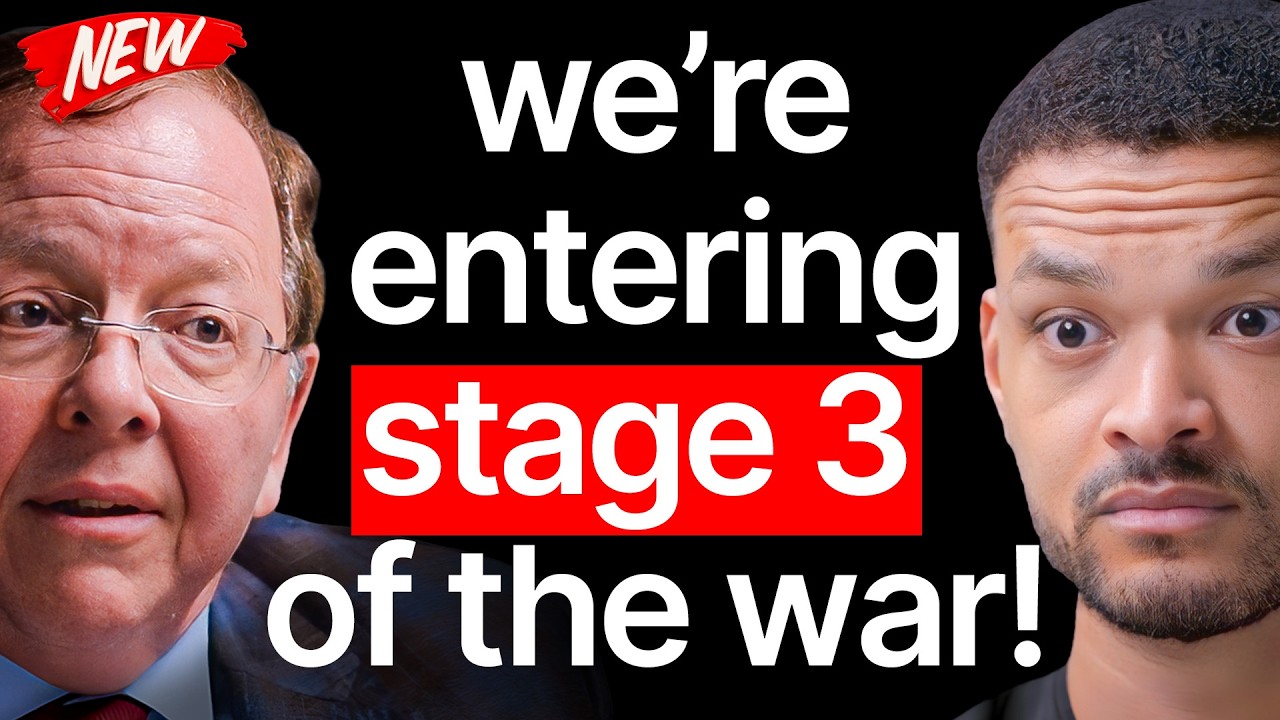
Robert Pape outlines three stages: Stage 1 involves tactical success with smart bombs but strategic political failure. Stage 2 focuses on regime change. Stage 3, the most dangerous, involves retaliation approaching the homeland, potentially including nuclear weapon development and global escalation.
The exact location of the enriched uranium is unknown, making it impossible to confirm if it has been dispersed or destroyed. This uncertainty fuels panic and complicates military strategy, as the primary goal is to prevent Iran from acquiring nuclear weapons.
The previous Supreme Leader had issued religious edicts (fatwas) against nuclear weapons. His successor, who is known to be more aggressive and lacks the same religious authority, may not adhere to these prohibitions, increasing the likelihood of Iran pursuing nuclear weapons.
The Strait of Hormuz is a vital passage for oil tankers. Threats to this waterway by Iran, through drone attacks or other means, can disrupt global oil supply, leading to increased gas prices worldwide and significant economic pressure on nations reliant on oil imports.
The US often achieves tactical success (e.g., hitting targets with bombs), but fails strategically because the underlying political goals are not met. The conflict is not just about military hardware but also about politics, and Iran's adaptive 'matrix'-like regime can withstand direct attacks and retaliate.